
Conservation
Fishtechy Citizen Science
An option for Fishtechy users that empowers recreational anglers to collect non-invasive data on fish populations, measurements, and habitat conditions using a Proof Product — and share it with vetted science organizations working to preserve our aquatic ecosystems.
Donation of Citizen Science data is always optional and can be reversed at any time. Angler identity and exact location of the catch is always removed from any catch data shared with science. Catch photos are blurred to just the fish, so no angler faces are ever included in shared catch data. No other Fishtechy users ever see any catch data you donate to science, it is only ever shared with highly vetted fisheries science organizations like NOAA.
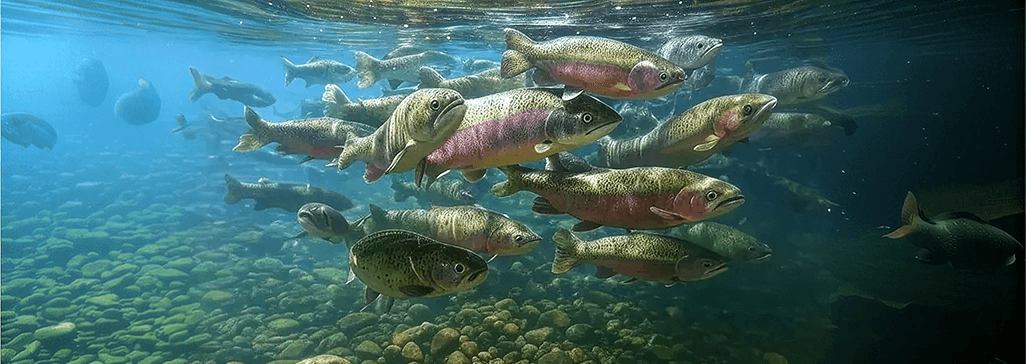
From your hands to the fishery.
- 01
The angler
Record the catch
A Proof Product captures species, length, girth, and weight from one photo — minimal handling, straight to catch and release.
- 02
The choice
Opt in to donate
Sharing is a deliberate switch, never a default. Turn it on for a season, a trip, or a single catch — and turn it off whenever you like.
- 03
The science
Reaches a vetted organization
Anonymized records land with fisheries management bodies working to protect aquatic ecosystems — far more catch data than traditional surveys can reach.
What never leaves your account
Opt-in only
Consent
Catch data is never shared without your express consent, and that consent can be withdrawn at any time.
Identity
Your name and the specific catch location are never attached to the data that reaches science organizations.
Visibility
No other Fishtechy user sees your donated data. It goes to science organizations and nowhere else.
Why it matters
Turn anglers into citizen scientists and the whole fishery gets a better picture.
Data accuracy
Every record is measured against a reference object, not estimated by eye.
Data volume
Recreational anglers cover water and hours no survey crew ever could.
Lower impact
Fewer invasive surveys needed to reach the same picture of a fishery.
Long-term, it means healthier fish populations.
A standing partnership between the people on the water and the people managing it — and a future where sustainable practice is the default, not the exception.